MICROTIA
Microtia is a congenital ear deformity where the outer ear is underdeveloped or absent (anotia). Occurring in approximately 1 in 6,000 to 12,000 births, it often affects the right ear and is frequently accompanied by aural atresia (absence of an ear canal), leading to conductive hearing loss. While the diagnosis can be overwhelming, the inner ear is usually healthy, making successful reconstruction and hearing restoration possible.
What is microtia?
The term "microtia" is derived from the Latin words micro (small) and otia (ear). It is a congenital condition that develops during the first trimester of pregnancy. While it can occur as part of a spectrum like Hemifacial Microsomia or Treacher Collins Syndrome, in most cases, it is a random, isolated event.

Microtia occurs in approximately 1 in 6,000 to 12,000 births. It is more common in males and often affects the right ear more than the left.
The Four Grades of Microtia
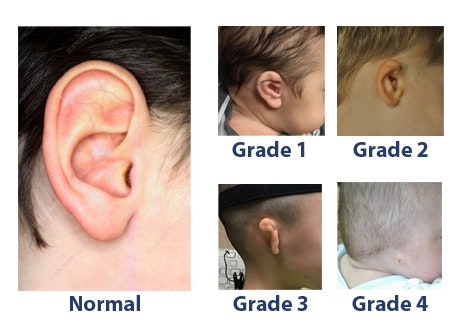
Medical professionals classify the severity of the ear deformity into four grades. Dr. Bonilla evaluates each child individually to determine the best surgical approach for their specific grade.
Microtia is classified into four grades:
- Grade 1: The ear is smaller than normal (microtic) but retains most normal features. The ear canal is often present but may be narrow (stenosis).
- Grade 2: The ear is partially formed, usually with the upper half underdeveloped. This is often referred to as "Conchal Type" microtia.
- Grade 3: The most common form (Lobule Type). The ear consists of a vertical peanut-shaped remnant of skin and cartilage. There is typically no ear canal (atresia).
- Grade 4 (Anotia): The complete absence of the external ear structure.
Causes & Risk Factors?
Parents often ask, "Did I cause this?" The answer is no. Current research suggests that microtia is largely a random occurrence caused by a temporary disruption of blood flow (possibly via the stapedial artery) during fetal development. It is rarely genetic; the risk of passing it to future children is approximately 5%. It is not caused by the mother's diet, stress, or activities during pregnancy.
Aural Atresia & Hearing Loss
Microtia mainly affects the outer ear, but it is often linked to Aural Atresia, the absence of an ear canal. This results in "conductive hearing loss," where sound cannot reach the middle ear. However, the inner ear (cochlea) and hearing nerve are usually perfectly normal.
*The Solution: Dr. Bonilla coordinates closely with audiologists to manage hearing. Treatment options range from BAHA (Bone Anchored Hearing Aids) on a softband for infants to surgical canal reconstruction (Atresiaplasty) for older children.
Pediatric Ear Reconstruction:
The Rib Cartilage Standard
Dr. Arturo Bonilla utilizes the autologous rib cartilage technique, widely considered the "Gold Standard" for pediatric ear reconstruction. Unlike synthetic plastic implants (Medpor), which carry lifelong risks of infection, extrusion, and fracture, living rib cartilage:
-Grows with the child: Ensuring the new ear remains symmetrical as the patient ages.
-Heals naturally: Since it is the patient's own tissue, there is no risk of rejection.
-Withstands trauma: Children can play sports and lead active lives without fear of damaging a plastic implant.
Frequently Asked Questions
Is microtia surgery cosmetic?
No. Microtia reconstruction is reconstructive surgery intended to correct a congenital deformity and improve quality of life. Therefore, it is typically covered by insurance plans.
At what age should microtia surgery be performed?
Dr. Bonilla recommends beginning reconstruction between 6 and 9 years of age. At this time, the child has sufficient rib cartilage to craft a detailed ear framework, and the "normal" ear has reached near-adult size, allowing for perfect symmetry.
Can microtia be detected on an ultrasound?
Microtia is often missed on prenatal ultrasounds because technicians focus on vital organs like the heart and kidneys. Many parents only discover the condition at birth.
Is microtia hereditary?
Microtia is usually not inherited, but in rare cases, there may be a genetic link or family history of ear anomalies. It is recommended to seek a Geneticist specialist for a complete patient and family assessment for future risks.
Can microtia occur with other conditions?
Yes, microtia may be associated with conditions like hemifacial microsomia, Treacher-Collins syndrome and Goldenhar syndrome. However, many children with microtia are otherwise healthy.
What tests are needed after birth?
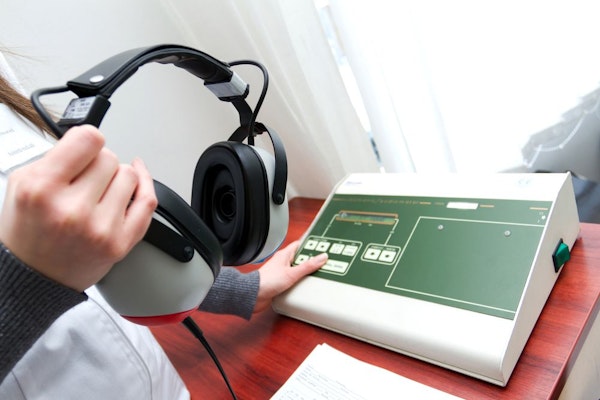
While the newborn with microtia is still in the hospital, a newborn hearing screening is always performed. Usually the baby with microtia will pass on the normal side and fail on the microtia side. This does not mean the patient is deaf. It just means that there is some type of hearing loss that needs to be further evaluated. Once the patient is discharged from the hospital, an auditory brainstem response test (ABR) is recommended to evaluate in more detail the function of the auditory or hearing nerve. Most patients have a normal hearing nerve, even on the side of the microtia. This means that sound is just muffled on that side without deafness. As stated above, a CT scan of the ears is performed at a later age (usually 4-5 years of age) to evaluate the anatomy of the outer, middle and inner ears to determine if the child is a possible candidate for opening up the ear canal. An audiological evaluation is also very important. A full ENT evaluation is also recommended.
How is microtia diagnosed?
Microtia is usually easily diagnosed at birth. When the microtia is very minor (Grade 1 microtia), it may be more difficult to diagnose. Imaging studies like a CT scan may be used to evaluate the inner ear structures and determine candidacy for hearing improvement via bone-conduction hearing aids or surgery at a later age.
When should my child see a microtia specialist?
Dr. Bonilla recommends consulting a microtia specialist as early as the day of birth to help parents understand the condition and outline a plan for hearing and reconstructive care. During this time, there is much stress from the parents and this is a perfect time to let the parents know that everything will be ok and that their child is not deaf. This is also a good time to give the parents a general plan for the management of the microtia as well as management of the hearing.
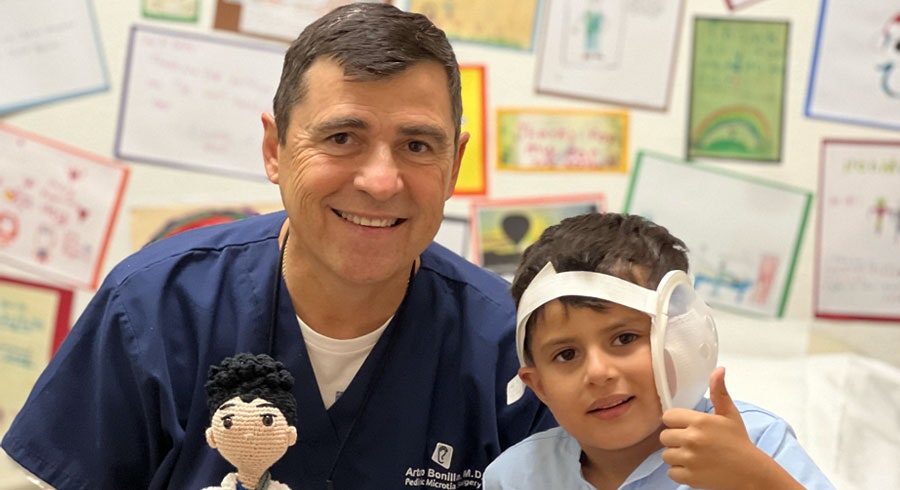
Dr. Bonilla has been treating pediatric microtia patients for over 30 years.
What are the treatment options for microtia?
Which 3D reconstruction method is best?
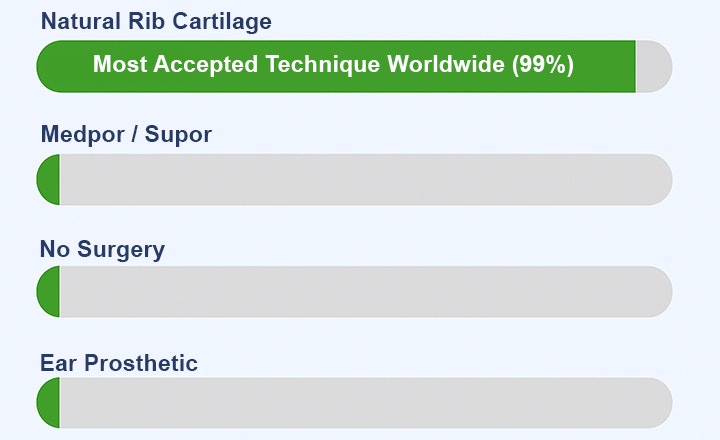
The best method depends on your child’s anatomy, medical history, and your surgeon’s expertise. Rib cartilage surgery (the most common and gold-standard) is natural and long-lasting, while Medpor / Supor offers earlier reconstruction but with different risks such as fracture or exposure of the new ear for the rest of the patient's life. Surgeon experience is absolutely critical using the above techniques in order to avoid a lifetime of dealing with a poor aesthetic result.
Can children with microtia hear?
Children with microtia usually have moderate to severe conductive hearing loss, especially if they also have aural atresia. However, their inner ear (cochlea) function is usually normal, and hearing can be improved with hearing devices or surgery.
What hearing devices can help?
Bone conduction devices such as a BAHA softband can immediately improve the hearing via bone-conduction on the skull. Later, the more invasive surgical hearing options are available like the bone anchored hearing aid systems by Cochlear, Oticon, Med-El, usually during the microtia reconstruction. Depending on the result of the CT scan of the ears and on the experience of the ear canal surgeon, the ear canal may also be opened (atresiaplasty).
Can ear canal surgery restore hearing?
In some children with favorable anatomy, atresia repair surgery can create a functioning ear canal and significantly improve hearing. A CT scan helps determine if this is a good option. It is crucial to be evaluated by a very experienced ear canal surgeon in order to avoid damage to the facial nerve, and to decrease the risks of ear canal scarring, etc…
Is microtia associated with psychological effects?
It is important to inform the parents of children with microtia that their lives can be perfectly normal, with or without any type of surgical intervention. Parental confidence is crucial. Dr. Bonilla always gives parents the first option of “doing no surgery at all”. It is common to be pressured to operate on all of these children with microtia, but it should be a decision of the patient as well.
It is not uncommon to receive bullying at school during school age, causing the children to lose self confidence. With early family support and positive reinforcement, the children will do very well and live normal lives without restrictions. Reconstructive surgery with a good result can also improve self-esteem.
How do I support my child emotionally or psychologically?
Encourage open conversations, connect with support groups, and consult with child psychologists or counselors if needed. Highlight your child’s strengths and talents beyond their appearance. It is important to see the “parent's guide to a child with microtia”.
Can children with microtia attend school and live normal lives?
Absolutely. With proper hearing support and care, children with microtia can thrive academically, socially, and physically like any other child.
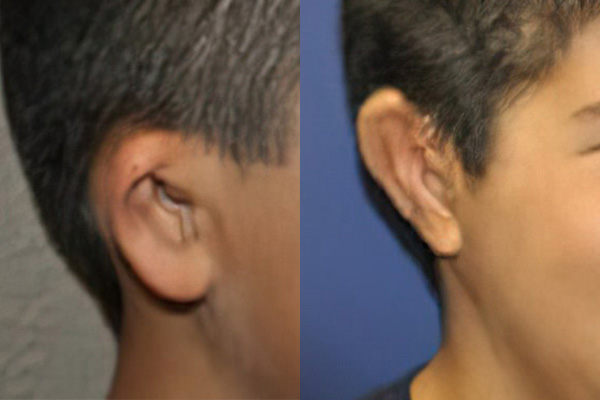
ONE-STAGE MICROTIA RECONSTRUCTION Grade 2 Microtia
ADVANTAGES OF THE NATURAL CARTILAGE TECHNIQUE
- 99% of world microtia surgeons prefer this technique
- Made of cartilage like the natural ear (not plastic)
- No chance of fracture nor rejection like a Medpor ear
- Will grow with the patient because it is natural
Dr. Bonilla's Microtia Surgical Treatment Using the Natural Cartilage Rib Technique
The cartilage technique is the most accepted microtia treatment worldwide using 3D sculpting. Dr. Bonilla has adopted and advanced this method because an ear made of “hard plastic” material for life cannot truly replace the living tissue in natural cartilage. While surgery may not be a medical necessity in some children, Dr. Bonilla strongly believes his surgical microtia treatment can build critical self-confidence in children through ear reconstruction. In comparison to other surgical options, there are many significant benefits to both using the cartilage and the cartilage surgery itself.
The surgery is completed in one to three stages depending on the type of microtia:
ONE-STAGE TECHNIQUE
In many cases of Grade 2 Microtia, the full reconstruction can take place in only one surgery. The ear will be fully natural cartilage with excellent movement like a normal ear and no further surgeries are performed. There are no risks of fracture nor exposure with Dr. Bonilla's natural cartilage technique.
TWO-STAGE TECHNIQUE
In cases where the earlobe of the microtia ear is already angled close to its permanent position, Stage I and II can be combined in the first surgery and then the final surgery will be the separation stage.
THREE-STAGE TECHNIQUE
In cases where the patient has a full grade 3 Microtia and the earlobe is longitudinal in direction, the three-stage technique is utilized so that full control of the staging is preferred for best long-term outcome.

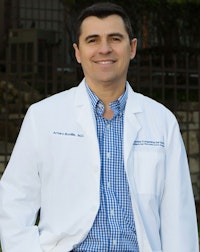
Dr. Bonilla: Microtia Expert & World-Renowned Pioneer World's Only Exclusive Pediatric Microtia Surgeon
For microtia patients, nothing replaces the ear like our own living cartilage. Dr. Bonilla exclusively uses this technique in his pediatric microtia patients.
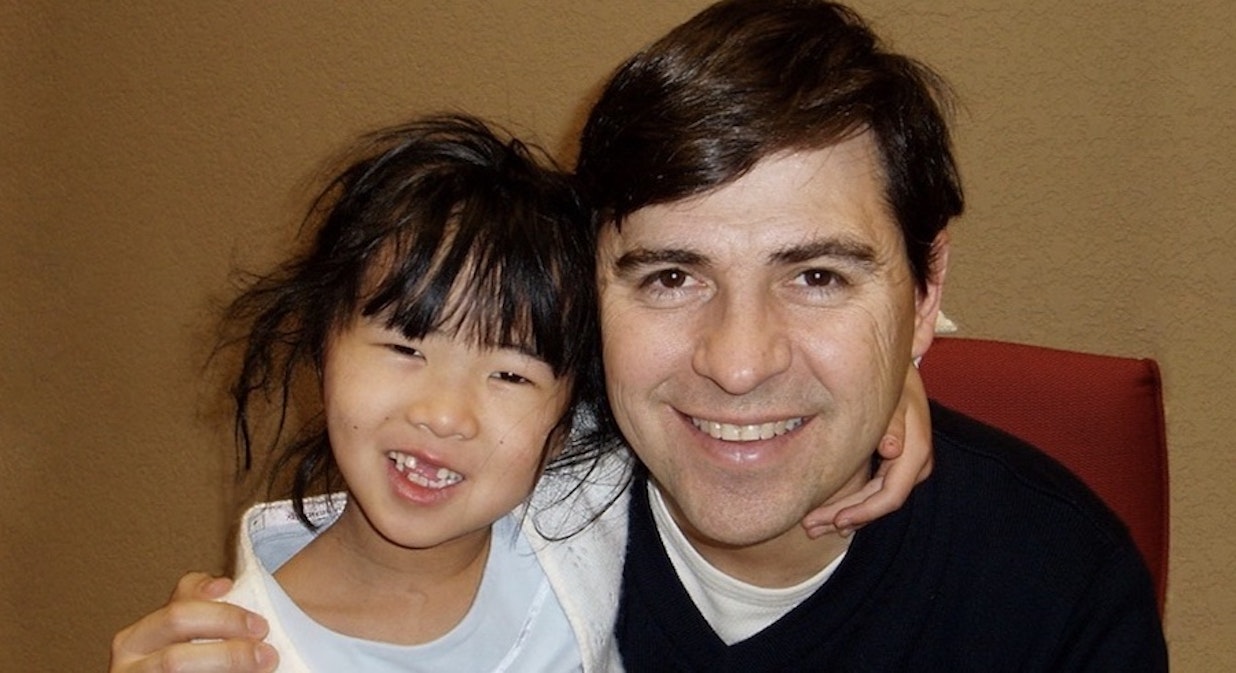
Dr. Arturo Bonilla, with 30 years of experience, has developed techniques that achieve excellent outcomes for children with microtia and atresia.
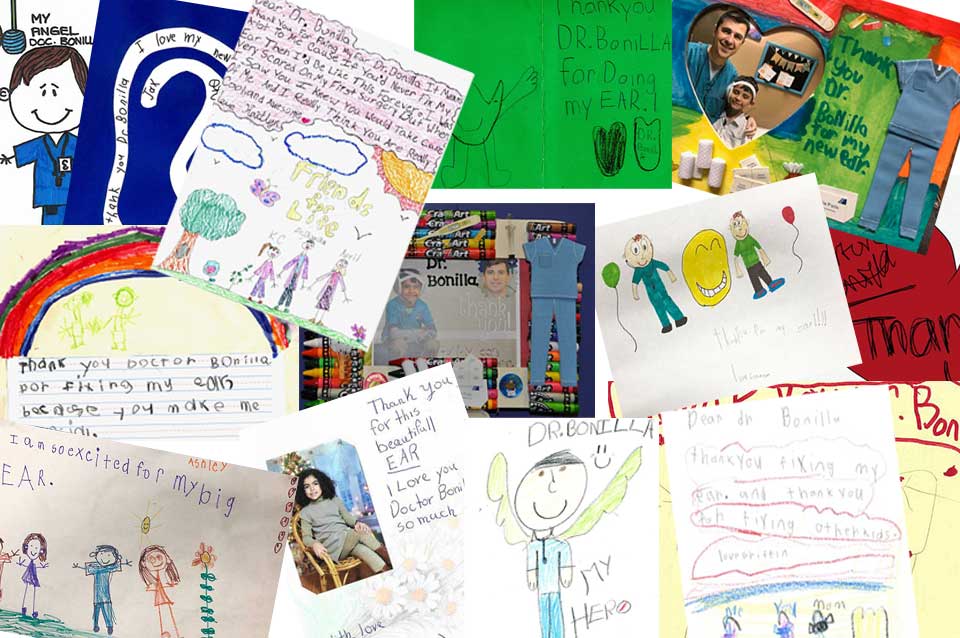
Letters From
Dr. Bonilla's Patients
Reading the letters written by our children with microtia makes our team feel appreciated and grateful. These letters are so heartwarming and fun to read, we save all of them. We are honored to care for so many children with microtia and atresia worldwide from our San Antonio pediatric microtia surgery office.
The Life of Microtia Patients Dr. Bonilla Shows That Microtia Patients May Lead A Normal Life
The pure joy our patients show after successful treatment always puts smiles on our faces. Watch one of our annual patient compilations to see the children who have undergone Dr. Bonilla's microtia treatment.
Exclusive Pediatric Microtia Clinic! Caring For Patients Worldwide
As your child's surgeon, Dr. Bonilla will use small pieces of rib cartilage to perform his advanced microtia repair technique. Ear reconstruction with rib cartilage provides a natural look, feel, and bend for your child's ear.
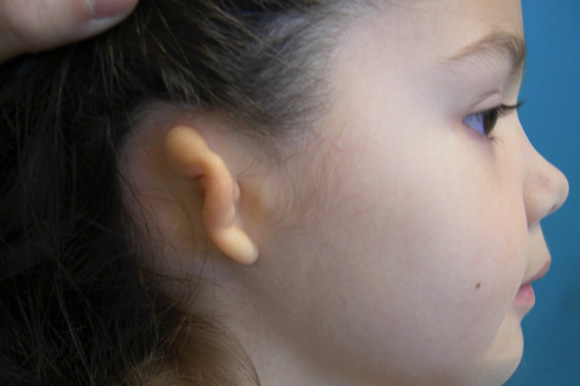
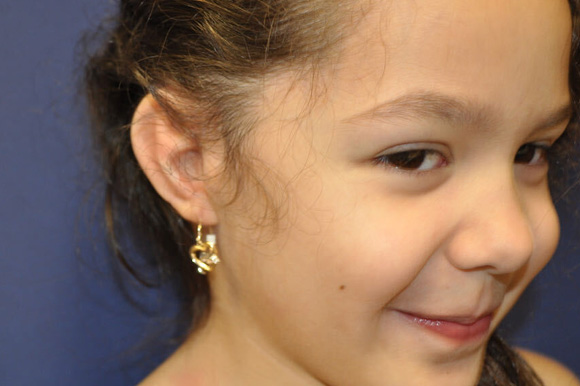
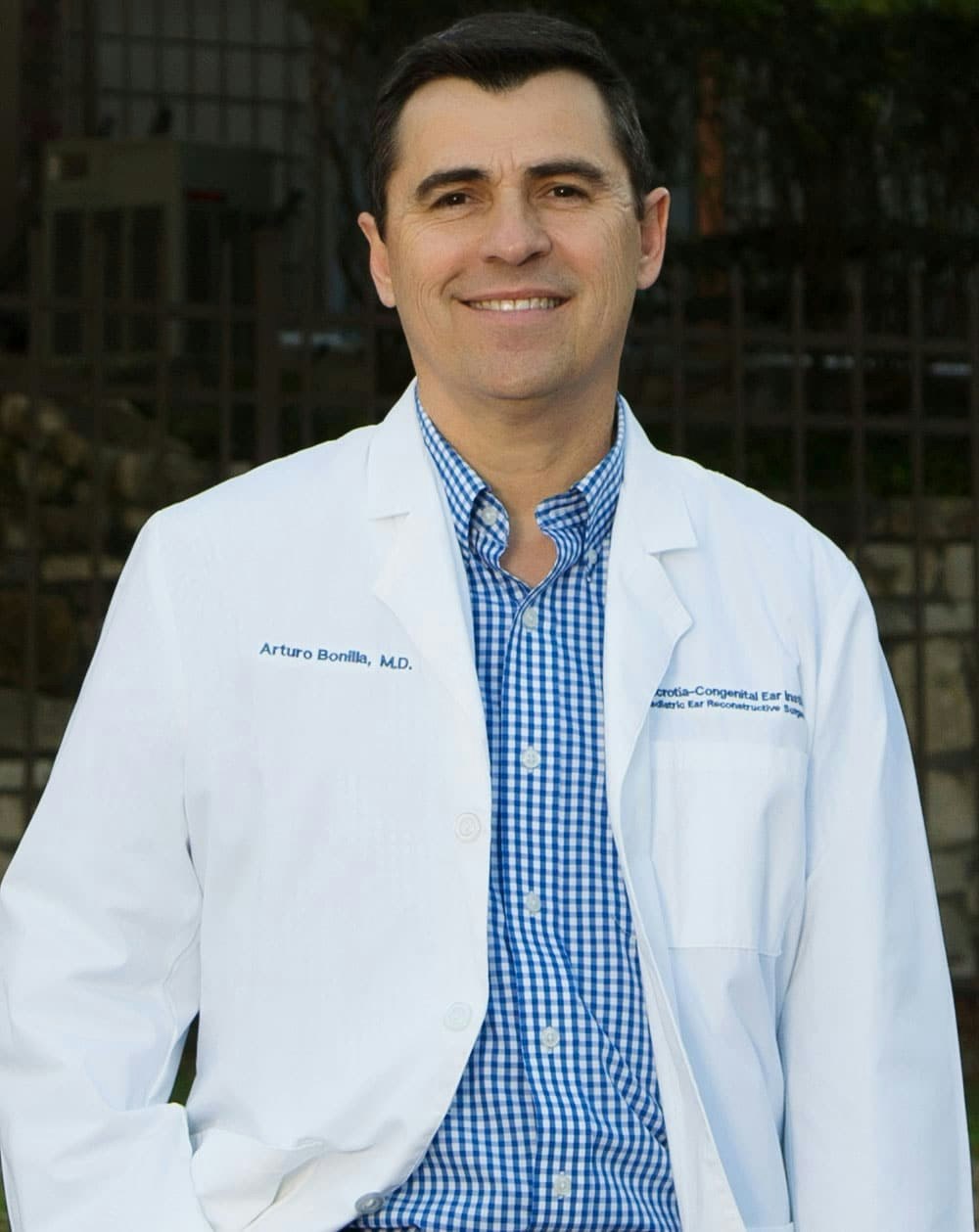
Dr. Bonilla's Passion Has Always Been Helping Children With Microtia!
Dr. Bonilla's advanced technology and techniques are why so many parents pick him for their children's life-changing treatment. His natural rib cartilage method, in comparison to the plastic polyethylene alternative, requires shorter surgery times, less anesthesia, and will not break since it uses living tissue. Other examples of Dr. Bonilla's innovative methods include contact laser technology, which minimizes discomfort.
We know that parents may feel undue guilt when their child has microtia. This diagnosis is by no means your fault, and you can feel comfort in knowing that we can help. In addition to our technological advancements aiding us in providing elite care, they also help keep costs down. At the Microtia - Congenital Ear Deformity Institute, we can make arrangements with most insurance companies to make your child's treatment as affordable as possible. For compassionate, world-class care from a physician who prioritizes you and your child's well-being at all times, call or contact us today.
(210) 477-3277



Dr. Bonilla Has 30 Years of Experience as an Exclusive Pediatric Microtia Surgeon
Dr. Bonilla has dedicated his entire career of over 30 years to exclusively taking care of thousands of children born with microtia and atresia. His unique surgical techniques and caring approach have led to global recognition as the leading pediatric microtia surgeon who utilizes children's own natural rib cartilage.
Your Child May Qualify
for Life-Changing Microtia Surgery
During a consultation with Dr. Bonilla, he will examine your child's ear and determine if they're a candidate for microtia surgery at our San Antonio office. If they are, our doctor will provide you with thorough pre- and post-operative instructions. If you are traveling a great distance to our San Antonio office, we can help make hotel arrangements for you. Call us if you have questions.

Families from around the globe come to San Antonio to seek treatment with Dr. Bonilla and his advanced natural cartilage techniques.
Patient Resources
It is important to us that patients, parents, and loved ones are fully informed regarding microtia and the treatment they will receive at Dr. Bonilla's Congenital Ear Institute in San Antonio, Texas. Here are some resources that can illuminate microtia and our life-changing treatment:
Major Media Recognition
Dr. Bonilla's work has been featured by many globally recognized outlets, including CNN, Fox News, CBS, ABC, NBC, Univision, and Telemundo. This is just one of the many stories highlighting his outstanding microtia treatment.
Dr. Bonilla is the only exclusive pediatric microtia surgeon in the world. He has nearly 3 decades of experience having completed thousands of microtia surgeries in children worldwide.